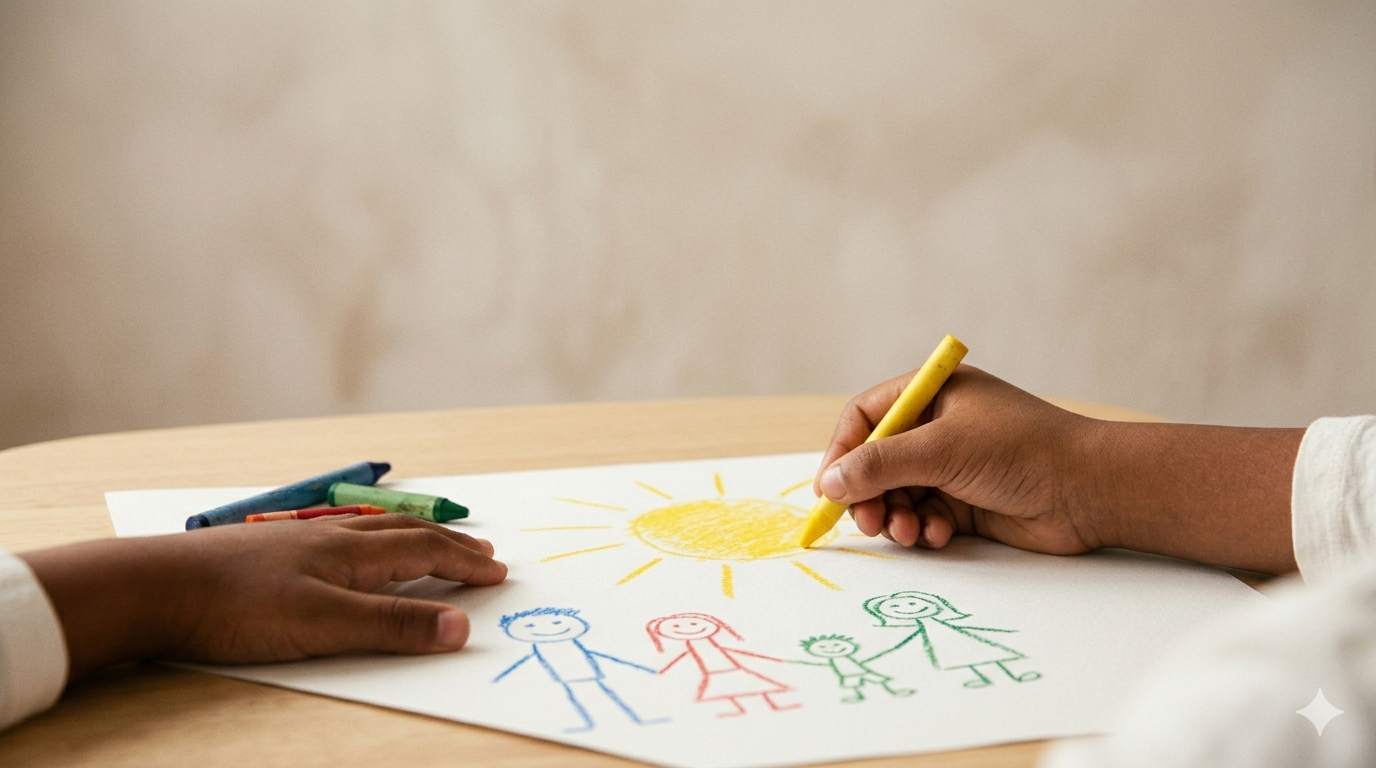
At a time when conflicts and wars continue across the world, one of the greatest injustices a child can face is being born with refugee status. Through no choice of their own, these children enter the world at risk of lacking state protection, legal identity, and access to citizenship documentation. According to estimates by the United Nations High Commissioner for Refugees (UNHCR), approximately 2.4 million children were born into refugee situations between 2018 and 2024. This represents an average of 338,000 children each year.
Several regions have become major centers of refugee child births due to ongoing conflicts and displacement crises. In Sudan, the civil war has created the world’s largest displacement crisis, forcing 14.3 million people from their homes—equivalent to nearly one-third of the country’s population. Afghanistan, where many people have faced political persecution since the Taliban returned to power, and Syria, which has endured years of civil war, together account for nearly half of the world’s refugee children. Meanwhile, in the Gaza Strip, the conflict between Israel and Hamas has forcibly displaced approximately 1.4 million people. Across these regions, war, violence, and political persecution continue to create circumstances in which children are born into refugee situations without any choice of their own.
What challenges do these children face? One of the most significant is the lack of birth registration and legal documentation, which can prevent access to education, healthcare, and social services. According to UNHCR’s 2024 education report, nearly half of all school-age refugee children—approximately 7.2 million children—are unable to access education. Statelessness often passes from one generation to the next, leaving these children at heightened risk of human trafficking, forced labor, child marriage, and other forms of exploitation throughout their lives. Furthermore, without official documentation, they may be unable to legally cross borders, obtain employment, or access banking and financial services, leaving them without adequate legal protection even into adulthood.
The international community has taken steps to address these challenges. On 17 December 2018, the United Nations General Assembly affirmed the Global Compact on Refugees following consultations led by UNHCR. The Compact serves as an important framework emphasizing that international cooperation is essential to achieving durable solutions for refugees. In line with these commitments, UNHCR and its member states have worked to improve birth registration systems, reform nationality laws, and promote the inclusion of refugee children in national education systems. The principle that every child deserves protection, dignity, and a future continues to serve as a unifying force for countries around the world.