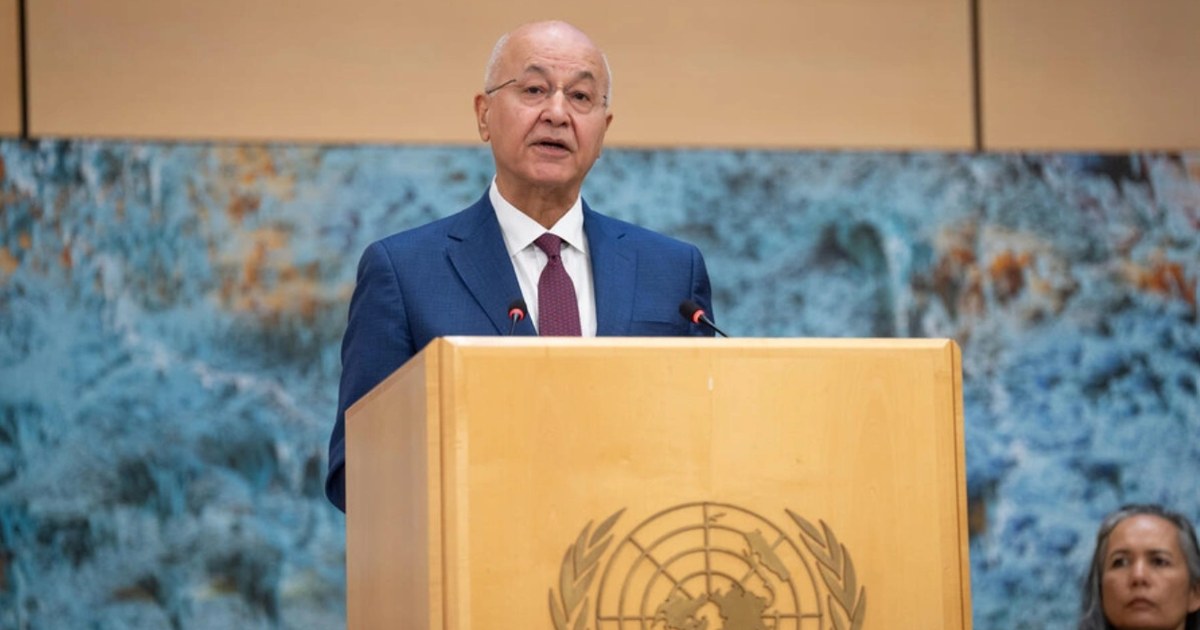
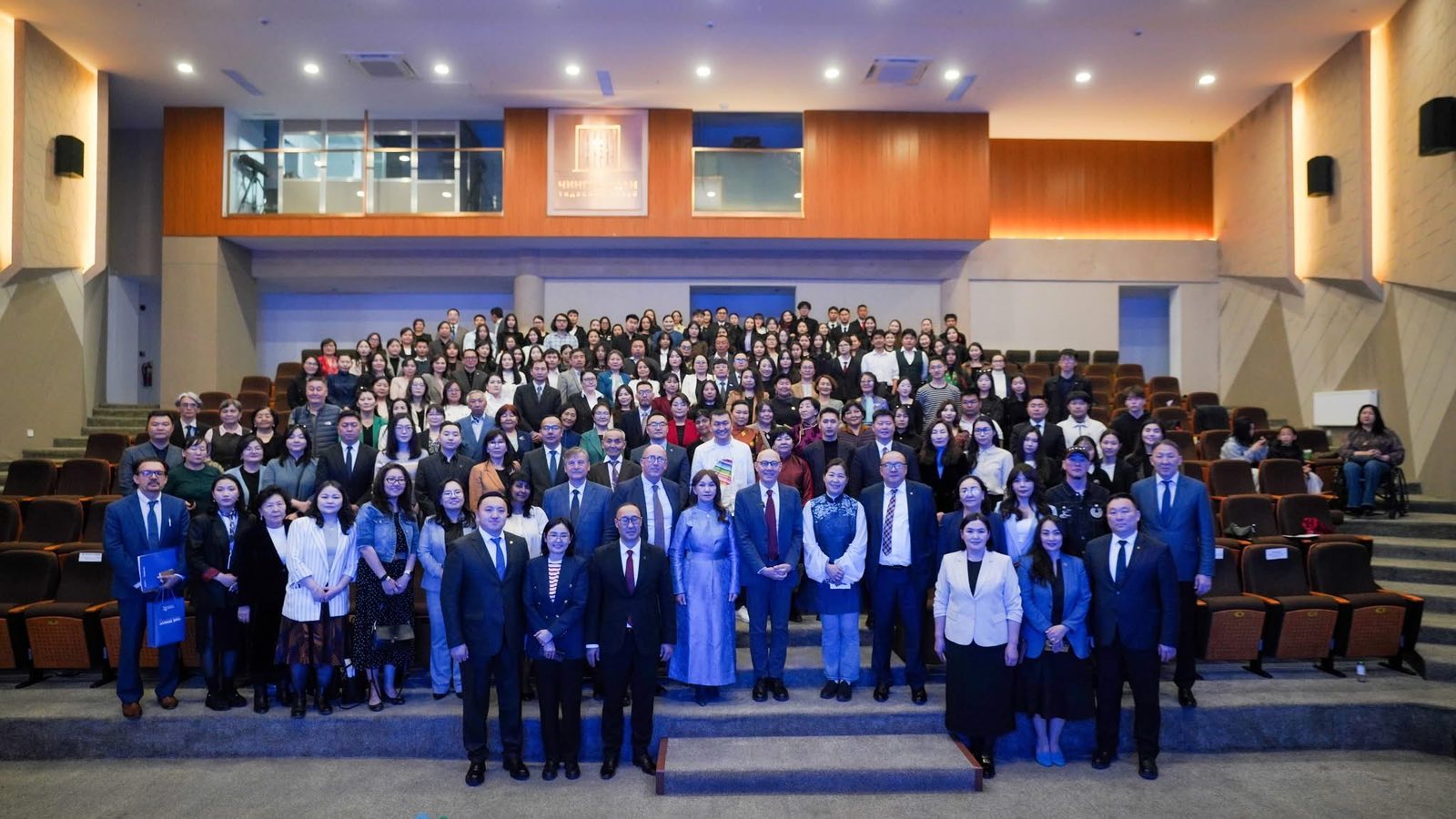
As part of his visit to Mongolia, United Nations High Commissioner for Human Rights Volker Türk delivered a lecture titled “Human Rights as a Solution to National and Global Challenges.”
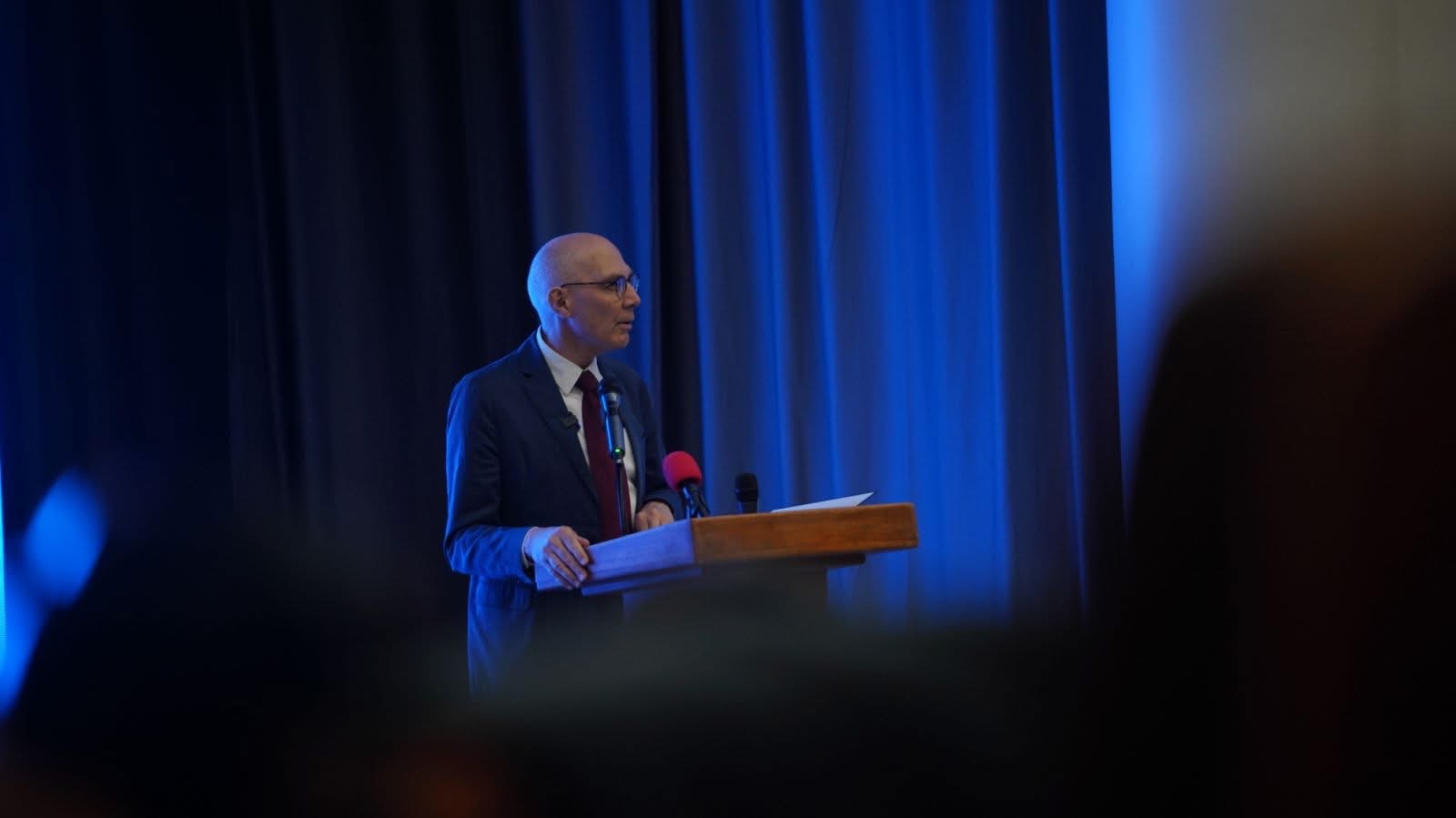
In his lecture, he emphasized that Mongolia serves as a model of peace through its balanced and thoughtful engagement with major geopolitical powers. He noted that Mongolia has played an influential role throughout world history and continues today to contribute to global peace and mutual trust.
He highlighted that diplomacy and dialogue have historically been the most valuable tools for resolving conflicts, yet the use of force is once again becoming a means of addressing disputes both between and within states.
He stressed the importance of prioritizing human rights in order to prevent conflicts before they arise. According to him, discrimination, inequality, authoritarianism, racism, and neo-colonial attitudes are among the key drivers of conflict. Addressing these issues would help create a safer and more stable world.
At the same time, he warned that current global trends are moving in the opposite direction, as inequality continues to grow and progress toward the Sustainable Development Goals significantly lags behind.
He also pointed out that climate change, environmental crises, and the economic consequences of wars and armed conflicts occurring far beyond Mongolia’s borders are increasingly affecting the country itself.
Addressing the relationship between business and human rights, he challenged the long-standing misconception that the two are incompatible, noting that successful companies that respect human rights demonstrate the opposite.
He explained that integrating human rights into business practices helps strengthen public and investor confidence, attract skilled employees, and build a more sustainable foundation for long-term success.
He therefore encouraged Mongolian businesses to uphold labor and human rights standards, prevent environmental harm, and contribute to reducing air pollution.
He further emphasized that human rights must remain central in the age of digital transformation. Without adequate safeguards, rapidly developing digital technologies risk deepening inequality and discrimination, increasing surveillance, and amplifying misinformation and harmful content.
Finally, he noted that gender equality is fundamental to building trust across society, and that resilient societies are those that recognize and protect the contributions of women, older persons, persons with disabilities, and minority groups.