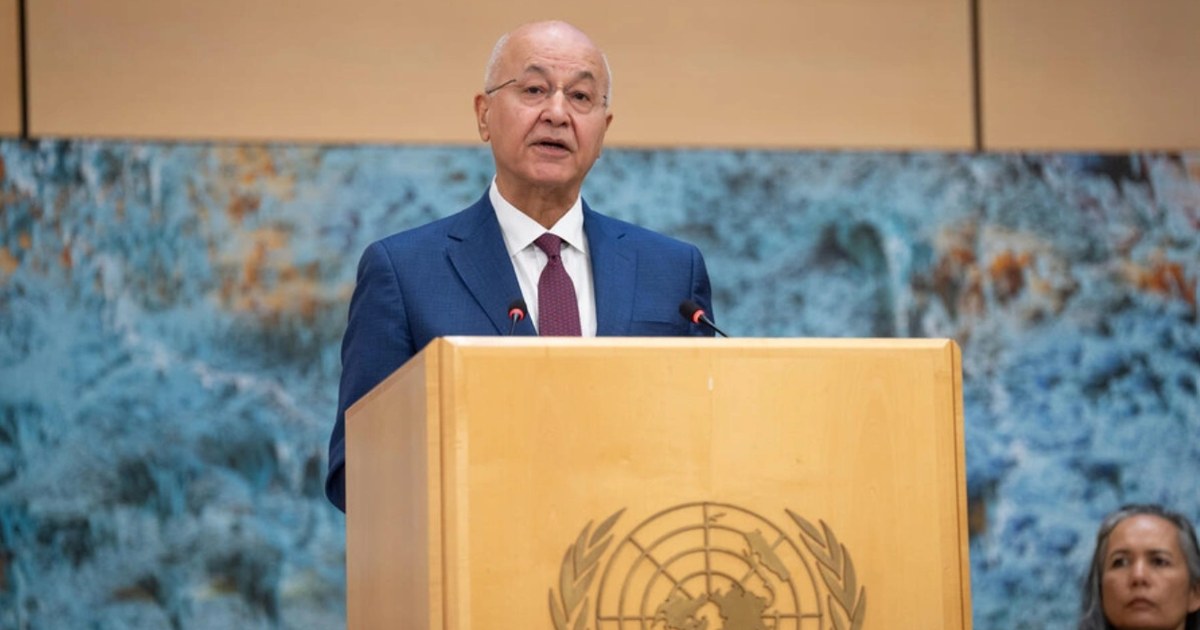

As of June 2025, at least 117.3 million people worldwide have been forced to leave their families, homes, and countries due to life-threatening risks (UNHCR, Mid-Year Trends 2025).
Moreover, the economies of major refugee-hosting nations are experiencing growth rather than decline; providing refugees with employment opportunities creates jobs and expands human capital, thereby driving positive economic change.
While refugee issues are frequently discussed in relation to humanitarian aid and security, viewing them solely through the lens of “risk” fails to capture the multifaceted economic, social, and human rights dimensions of displacement. These individuals share a common reality: they cannot return home or remain in their countries of origin.
In other words, the fallout from a crisis in any given country is directly linked to the daily lives of its citizens, manifesting as weakened human rights protections and diminished livelihood opportunities.
International experience demonstrates that when refugees are provided with legal protections, employment opportunities, and access to education and healthcare services, they can make tangible contributions to the host country’s economy. This indicates that hosting refugees does not inherently impose an economic burden. As of the end of 2025, the Republic of Colombia, the Federal Republic of Germany, the Republic of Türkiye, the Islamic Republic of Iran, and the Republic of Uganda ranked as the top refugee-hosting nations.
Thus, it can be concluded that the economic impact of refugees does not depend merely on their numbers, but rather on the legal frameworks governing their employment and how their basic needs are met by the host country.
The example of Colombia illustrates how refugee economic participation depends on state policy:
According to UNHCR data, by the end of 2024, of the 2.9 million Venezuelan nationals in Colombia, over 1.9 million had been granted Temporary Protection Permits (PPT). Rather than marginalizing them, this policy enabled refugees to reside legally, work, and access education and healthcare services (UNHCR, Colombia Strategy 2023–2026).
Colombia’s Gross Domestic Product (GDP) has grown steadily since 2020, rising by 1.5 percent in 2024 and 2.6 percent in 2025. For 2026, the World Bank projects an economic growth rate of 2.6 percent, while the International Monetary Fund (IMF) estimates it at 2.3 percent. While this growth cannot be attributed solely to Venezuelan refugees and migrants, reports from the IMF, the World Bank, the Inter-American Development Bank (IDB), the Organisation for Economic Co-operation and Development (OECD), and UNHCR all point to Colombia’s sustained GDP expansion. Studies indicate that this displacement flow has the potential to increase the host country’s annual GDP growth rate by an average of 0.10 to 0.25 percentage points between 2017 and 2030, primarily driven by the expansion of labor supply and human capital (IMF, Regional Spillovers from the Venezuelan Crisis).
Therefore, registering refugees through sound policies and integrating them into labor markets and service systems can meaningfully enhance their economic participation.
As highlighted by the data above, once refugees’ legal status, employment access, and primary needs are established, they can become active economic contributors. They work and earn an income, generate consumer demand, pay taxes, launch small businesses, and contribute their skills to the labor market. Ultimately, refugees should not be defined by stereotypes of crime or security threats they are ordinary individuals who lost the ability to live normal lives in their homelands.